





Tutor Near Me: 5 Smart Tips to Choose the Right Tutor
Tutoring Services | Primary School Tutor | High School Tutor
Imagine your child standing at the foot of a steep hill with exams looming ahead, assignments piling up, and NAPLAN preparation falling behind. Being a student can be tough, trying to reach the summit of school without knowing how to climb safely. A great tutor acts as an expert guide, giving the right tools, showing the path, and cheering them on toward academic success.
If you’ve ever felt anxious watching your teenager struggle with a subject, or hopeful but unsure about the idea of “extra help,” you’re not alone. Finding the right high-school tutor can make all the difference.
In this blog, we explain how to find the best tutor for your child near you who will take them to the next step of their education journey. Want to read more blogs about how tutoring can help your child? Check out our JDN Tuition Blog Page.
What is Tutoring?
Tutoring is a teaching approach designed to help students strengthen their understanding of academic content, develop study skills, and boost their performance outside of the standard classroom environment.
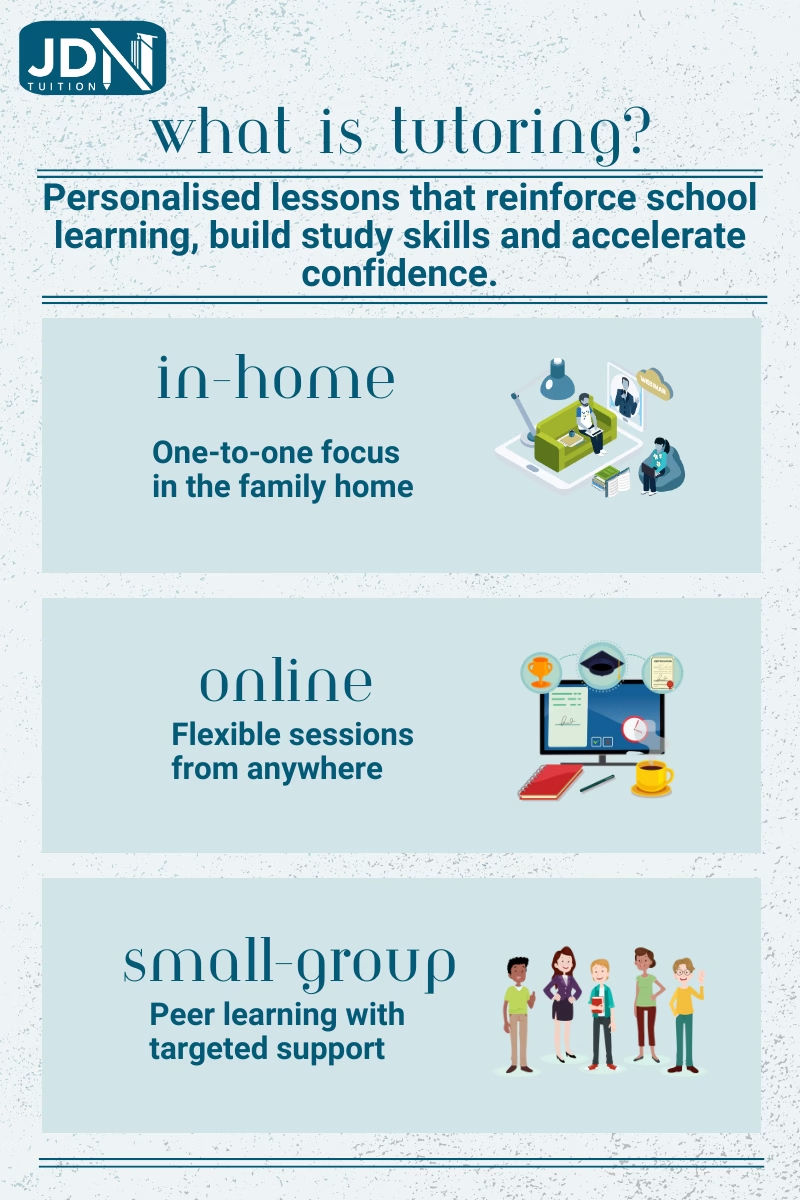
Tutoring, at its core, is a personal education plan designed to complement and reinforce what a student is already covering at school. It can be as simple as a one on one tutoring session after school in the local library, or as structured as weekly online sessions with a qualified specialist on the other side of the globe. For students in Australia, tutoring can range from helping with a tricky English topic to full-blown coaching for the HSC, VCE, or a school’s entrance exams.
Unlike classroom teaching, which follows a set curriculum and pace for a group of students, which often results in some kids being left behind, tutoring adapts to your child’s development. It meets the student where they are and allows them to learn at their own pace without the pressures of traditional education.
Types of Tutoring: Remedial vs. Enrichment
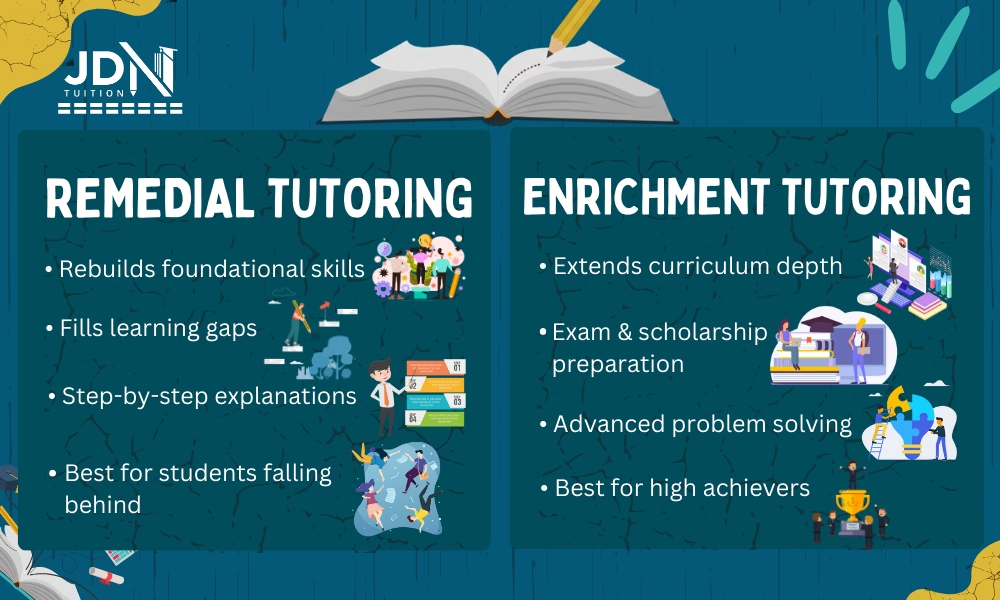
Many parents and students treat tutoring as remedial. Something only given to students who are falling behind and want to catch up to their peers. And while this can be true, tutoring can also serve as enrichment. It often serves two major purposes:
1. Remedial Tutoring
Put simply, Remedial tutoring is designed for students who are falling behind or struggling to grasp key concepts in a subject. This form of support focuses on rebuilding foundational skills, filling knowledge gaps, and reinforcing what’s being taught in the classroom. In other words, it helps them catch up.
It can be particularly useful for students who’ve missed lessons due to illness, changed schools mid-year, or simply need a slower, more detailed explanation than what’s available in a busy classroom environment.
2. Enrichment Tutoring
On the other end, enrichment tutoring targets students who are already performing well but want to push further. These learners might be preparing for selective school exams, scholarship tests, or aiming for top ATAR results. Enrichment sessions go beyond the standard curriculum, providing advanced content for students who want an extra challenge to maximise their learning.
At JDN Tuition, we offer tailored support for both ends of the spectrum. Whether your child needs to regain confidence in algebra or needs an English tutor to help them chase a top Band 6 result in English Advanced, every session is customised to fit the student’s goals, pace, and potential. Want to hear more about how JDN Tuition has helped families with both remedial and enrichment tutoring? Check out JDN Tuition’s Google Business Profile or take a look at our amazing reviews.
How Does Tutoring Help Your Child Grow?
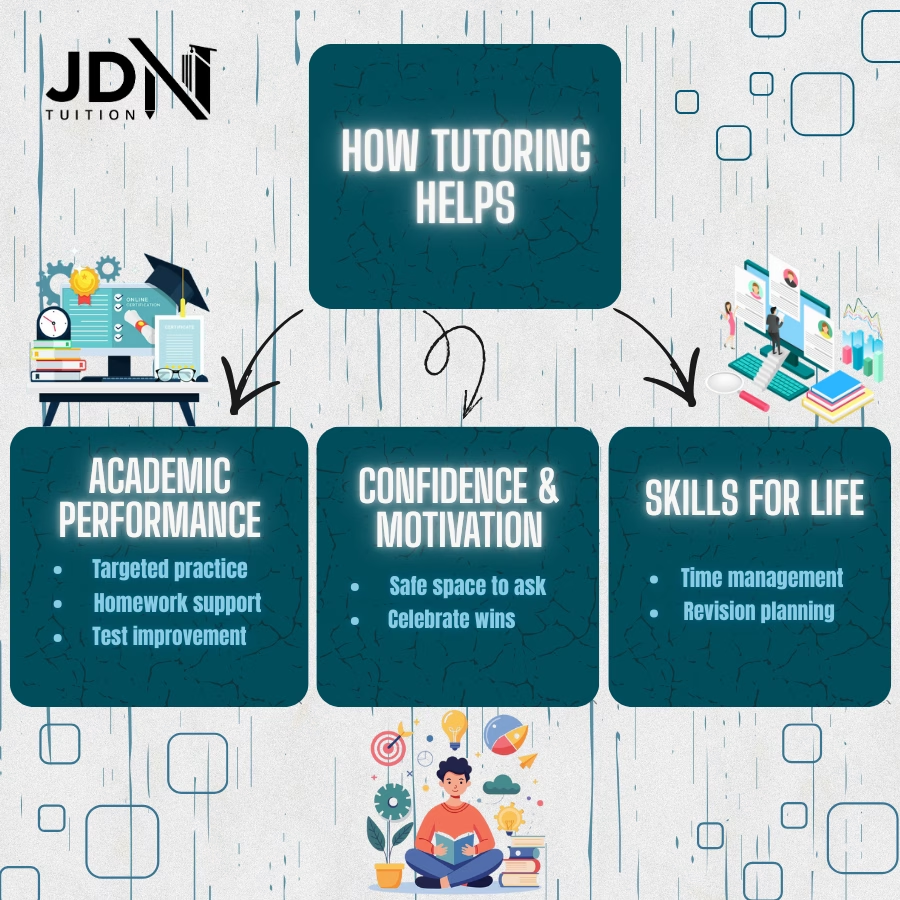
Every student learns differently, and not every classroom can meet every need. That’s where private tutoring proves its value, providing the learning skills needed for your child to excel in both school and their future career. Below are three ways tutoring for kids helps your child.
1. Stronger Academic Performance
One of the most immediate benefits of tutoring is the improvement it brings to academic results. Targeted one-on-one or small-group sessions that match a student’s current subjects make learning more effective than following the standard classroom pace.
Through effective learning strategies, revisiting concepts that weren’t fully grasped, and practising under guidance, high-school students can better understand complex topics, perform more confidently in assessments and reduce the chances of falling behind. Crucially, a quality tutor will adapt the pace and approach of each lesson to match your child’s needs.
2. Improved Confidence and Motivation
Beyond grades, tutoring influences the mindset of the learner. When students know they have a dedicated space to ask questions without feeling judged, their willingness to engage goes up. That boost in confidence created through personalised attention can carry through to class participation, homework completion, and taking on harder work.
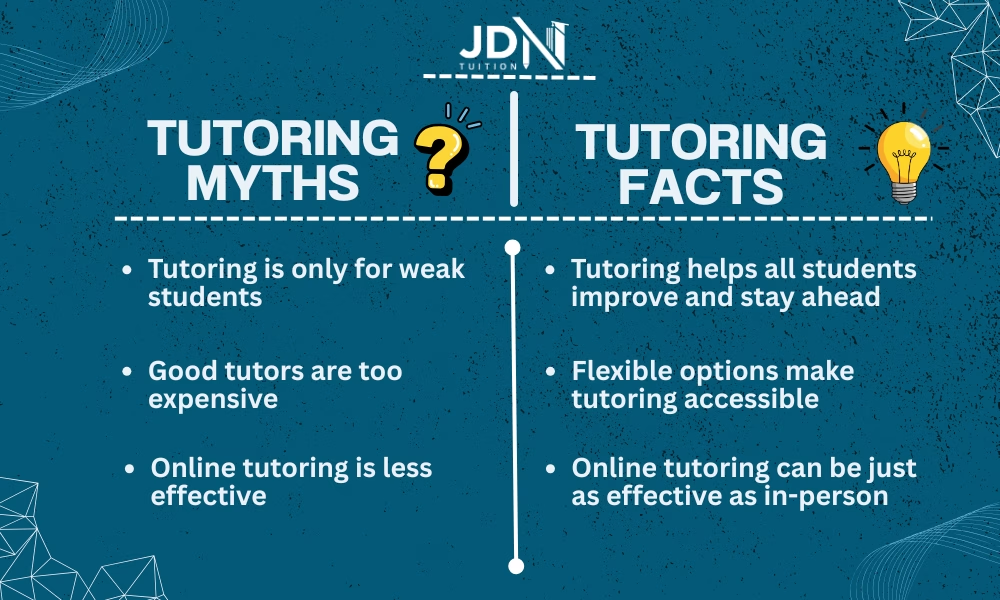
When a student sees real improvement—fewer mistakes, better understanding, and higher test scores—it reinforces their belief in their ability. That belief drives academic growth: students who think “I can do this” are more likely to tackle harder problems, persist after setbacks, and push themselves further. Online tutors can play a big role by recognising progress, celebrating small wins, and encouraging the next steps.
3. Study Tips, Exam Readiness, and Skills for Life
Effective in-person tutoring goes beyond “help with the homework this week”. It often incorporates teaching how to learn: time management skills, organising revision schedules, approaching exam preparation strategically, learning effective communication skills, and building habits that extend into tertiary study or the workforce.
These skills may not directly improve academic performance, but they help build a marketable profile for the real world. While achieving a high ATAR is important, having life skills can give your child the extra edge to get employed or reach their dream university. That’s why the right tutor is important: they can teach your child skills that traditional schooling often misses out on.
5 Tips for Finding the Perfect Tutor Near Me
When you’re on the hunt for a great tutor for your primary or high schooler, you’re looking for someone who knows the subject, but also someone who fits your child, is working towards their goals, around your schedule and your budget. Figuring out how to find a tutor can be difficult, and it’s a lot harder than just searching for ‘online tutoring near me’ or ‘affordable tutoring near me’. The best way to find a tutor takes time, but ultimately will massively benefit your child in the long run. Below are five practical tips to help you find the best tutor near me.
1. Identify Your Child’s Needs
The search for the right tutor starts with clarity. Consider what your child truly needs: help in one subject, support across several classes, or guidance with organisation and study habits. Some students struggle in maths due to missed concepts; others want to improve their essay-writing to reach a higher band.
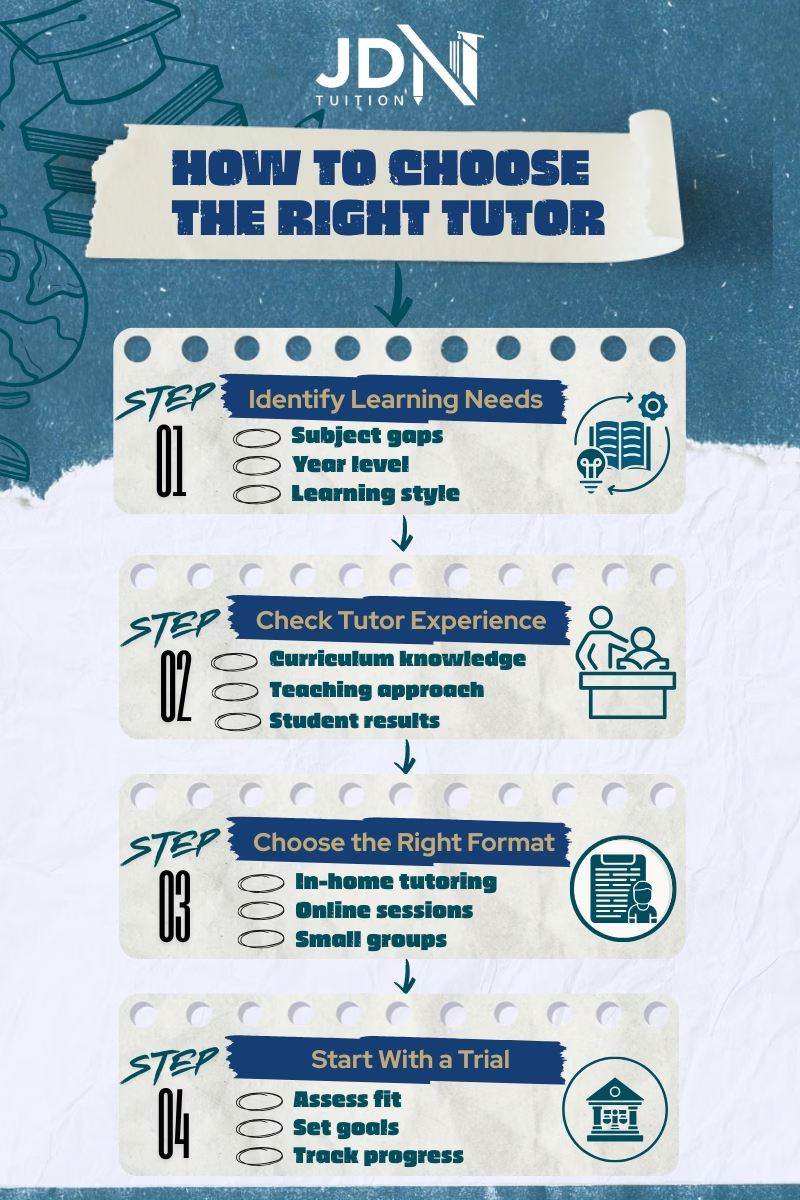
When you define the purpose of tutoring, you can match your child with someone whose strengths align with those goals. This first step prevents wasted time and creates a clear path for progress.
2. Book Trials Classes
Trial lessons are one of the most reliable ways to judge whether a tutor is the right fit. Sitting through a live session reveals more than any profile or phone call ever could. You can watch how the tutor explains tricky ideas, responds when your child hesitates, and manages the lesson’s pace. Your child will notice if the teaching style feels comfortable and makes the material easier to understand. A single trial can give you a snapshot of what weekly sessions might look like, helping you choose with confidence.
Additionally, many tutors provide their first trial lesson for free or with a money back guarantee, allowing parents to easily select and try multiple tutors at a time before making a final commitment. During the trial, be sure to note down their tutoring cost and remember that if one tutor doesn’t work, there are thousands more across Australia to try.
3. Listen to Your Child
Even the most highly qualified tutor cannot succeed if the student feels uncomfortable or unheard. After the first lesson or two, take a moment to ask your child how they felt. Did the tutor explain ideas clearly? Did they feel rushed or supported? Were they motivated, or did they feel drained? Teenagers often notice compatibility before adults do. Since they will spend hours with their tutor, their impressions can reveal whether the partnership will succeed. A supportive learning relationship grows from trust, comfort and genuine connection.
Additionally, check for genuine rapport. Rapport does not have to mean being best friends, but it does mean creating a learning environment where your child feels safe asking questions. A great tutor adapts their tone, explanations and rhythm to suit the student. They notice when confusion creeps in and respond calmly. They acknowledge progress, no matter how small. When this kind of rapport develops, students stay engaged and often begin to believe more deeply in their own abilities. Without it, even the best resources and teaching methods fall flat.
4. Consider Practical Fit and Consistency
Ultimately, the tutor you select is working for you and your child. They might be brilliant, but if the schedule is chaotic or sessions are too far away, the arrangement can quickly fail. Consider logistics: when your child learns best, how travel affects their routine, and whether online sessions could offer more flexibility. Consistency matters as much as talent.
If your child has an exam coming up, make sure your tutor can be flexible with your child’s HSC exam timetable. A steady rhythm of lessons, when aligned with practical goals week after week, builds momentum, confidence, and measurable growth.
5. Track Progress
One of the most important questions to ask before hiring a tutor is how you can track your child’s academic performance across lessons. It’s important to keep an eye on child development. Progress can be measured in many ways. This includes improved test scores, smoother homework completion, clearer understanding in class, and a more positive attitude toward challenging subjects. A good tutor should explain what your child has mastered, what still needs work, and how the plan will adapt over time.
Regular check-ins help you see whether the sessions are delivering real value. They also allow you, your child, and the tutor to adjust goals as schoolwork becomes more demanding. If you’re concerned your child isn’t meeting learning standards during tutoring, ask for a weekly or fortnightly progress report. This helps ensure they are consistently learning and improving. This steady awareness turns individualised tutoring from a series of isolated lessons into a purposeful journey toward stronger academic performance and confidence.
Conclusion: Choosing the Right Tutor near me!
Choosing the right tutor near me means finding someone who meets your child where they are and guides them forward. When you understand their needs, listen to feedback, and build consistency, tutoring becomes more than extra help. It becomes a steady support that builds confidence, skills, and long-term success at school.

If you’re ready to give your child personalised support that fits both their goals and their learning style, JDN Tuition offers tailored primary school tutoring and high-school online and in-home high school tutoring designed to lift academic performance and nurture genuine growth. Contact us today if you’re ready to take your child to the next level.
Boost Confidence. Start Today.
📞 Book a FREE Call: (02) 7257 0299
📧 Email us: [email protected]
Where do parents go to find tutors?
Many parents look to local tutoring centres, trusted recommendations from schools, or online tutoring platforms that specialise in high-school subjects. Parents can also go directly to a tutor’s online website.
What is a reasonable price for tutoring per hour?
Hourly rates vary, but most high-school online tutoring costs between $60 and $90. Prices depend on the tutor’s experience, subject difficulty, and additional expenses.
How to find the best tutor?
Identify your child’s needs, book trial sessions, and choose someone who combines strong subject knowledge with rapport and consistent communication.
Is private tutoring worth the money?
For many students, personalised guidance leads to clearer understanding, stronger results, and improved confidence, making it a valuable investment.