




How to Stop Procrastinating for Better Productivity
Growth Mindset | Time Management Skills | What is Procrastination
How to stop procrastinating becomes a real concern when it’s 10 pm, your English essay is due in 2 hours, and your phone is suddenly more interesting than your work. Sound familiar? Procrastination is the bane of a student’s existence, a sneaky mix of emotions that, when combined with high pressure and lack of educational environments, can be deadly.
In Australia, procrastination is a common part of school life and is closely linked to the anxiety many students already face. In this article, you’ll discover practical ways to beat procrastination by using proven methods, including building healthy habits, developing a growth mindset, and seeking guidance and support from online tutors. If you want to learn more about how to stop procrastinating, check out our JDN Tuition Blog Page for additional tips, strategies, and insights to help students succeed.
What is Procrastination?
Procrastination is the act of deliberately putting off a task you know you should do. Delaying it often makes things worse. While procrastination is often linked to laziness or poor time management, most high school students procrastinate for emotional reasons. These include boredom, anxiety, or feeling overwhelmed, rather than the task itself.
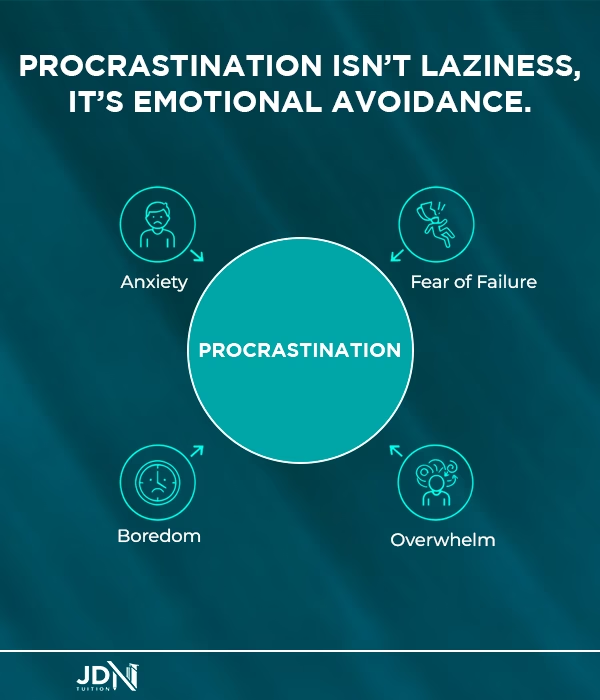
Left unchecked, procrastination quietly chips away at more than just deadlines. It can lower the quality of student work, as assignments are rushed or left until the last minute. Over time, procrastination can erode confidence. This often leads students to avoid challenging subjects, creating a vicious cycle in which guilt fuels further delay. By learning how to stop procrastinating and developing effective strategies to overcome procrastination, students gain more time, energy, and, most importantly, better results in their work and studies.
Why do High School Students Procrastinate?
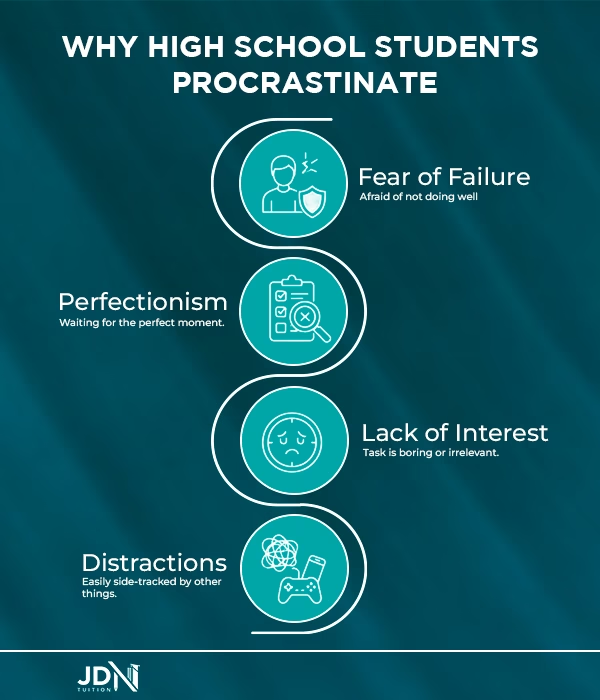
So, why do we procrastinate? Many reasons can differ from child to child, depending on their age, mental state, and current situation. Below are a few of the most common reasons behind what causes procrastination.
Fear of Failure
The fear of failure is by far one of the largest sources of procrastination among teenagers. With high pressure and an enormous expectation to succeed as they come of age, it’s no surprise that starting becomes difficult, especially when it can lead to pain and criticism.
When your child is endlessly scrolling their phone instead of starting an assignment, it can be tempting to blame them. However, usually the real driver is emotional. Starting a big essay or studying for a test can trigger stress, uncertainty, or the uncomfortable thought, “What if I fail?” In these situations, procrastination provides temporary relief, as the brain chooses the easier emotional path even though it comes at a cost later. Overcoming this fear is vital for defeating procrastination and helping students regain control of their study habits and confidence.
Perfectionism: waiting for the “perfect” start
If you expect the first draft to be flawless, you delay starting. The fear of doing it “wrong” feels too great. Like fear of failure, pressure often stops students from beginning. They become stuck, worrying their work will be wrong. While this fear is valid, imperfect work is better than no work. Waiting often leads to last-minute panic and unnecessary stress.
The best solution to cutting off perfectionism at the source is to stop treating yourself like a master craftsman about to create your finest work. The truth is, you’re not that person. Sometimes, the easiest way to remove this burden is to simply lighten the load, focus on progress rather than perfection, and permit yourself to do “good enough” without guilt. Group study with friends or JDN Tuition’s online high school tutoring creates the perfect atmosphere for this, providing a space where students can easily receive help, and most importantly, be held accountable. Check out our Google Business Profile to learn more.
Lack of Interest or Reward
When a task feels boring or pointless, a student’s brain chooses the option that gives them immediate pleasure instead, whether that be chatting with friends, gaming, or doomscrolling on their phones. Often, learning how to get good grades can seem irrelevant to their personal development and future, that feeling of low value, nothing in comparison to the things that give them dopamine instantly.
That’s why studying can often feel like a punishment when checking social feeds feels like a win. This is true even if students understand intellectually that it’s the opposite in the long run. By building small, consistent study habits and deliberately linking schoolwork to personal goals, students can gradually retrain their brains. Over time, they begin to find genuine satisfaction in learning and long-term achievements, making study sessions feel more rewarding and purposeful.
Distractions and Social Media
Sometimes the love of learning simply won’t cut it. These days, distractions are built into modern life with the rise of group chats, autoplay, and endless content that all compete for a student’s limited attention. With instant dopamine constantly competing for their focus, it becomes difficult for students to enjoy doing homework. At the same time, working towards self-improvement can feel like a struggle while they are always trying to avoid distractions that pull them away from their goals.
However, social media isn’t the only possible distraction that a student can face. External factors like a crowded or noisy environment can be particularly disgruntling, especially for the audio-sensitive. Finding good places to study, like a library, is an easy way to escape this, keeping your desk phone-free and sticking to a singular tab, a solid step forward. Students can also create a personalised study space at home by organising materials, using noise-canceling headphones, or setting clear boundaries with family members. Combining these strategies with focused time blocks can dramatically improve concentration and help students make consistent progress on their assignments.
Signs You’re Procrastinating
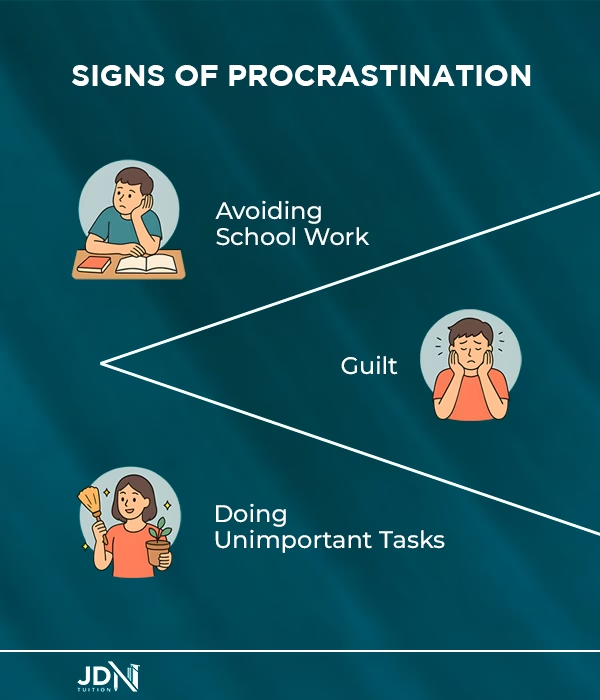
Procrastination isn’t always obvious. Sometimes it hides behind busywork or mindless tasks that, in the long run, don’t actually aid students on their journey. By recognising a few of these patterns in their school life, students can learn how to stop procrastinating, stop the perils of procrastination in its tracks, and work towards getting tasks done faster.
Common Signs of Procrastination
- You keep telling yourself you’ll start after one more scroll, episode, or snack, and that “one more” turns into an hour.
- You do easy, low-value tasks (tidying your desk, colour-coding notes) instead of the real assignment.
- You plan, research, and rewrite endlessly, but don’t actually produce a finished paragraph or solution.
- You underestimate how long tasks take and leave things until the last few hours.
- You often end up cramming or pulling an all-nighter to finish work.
- You rationalise the delay with “I work better under pressure,” even though it makes you stressed.
- You feel guilt, shame, or anxiety about the work you haven’t started.
Proven Ways of How to Stop Procrastinating
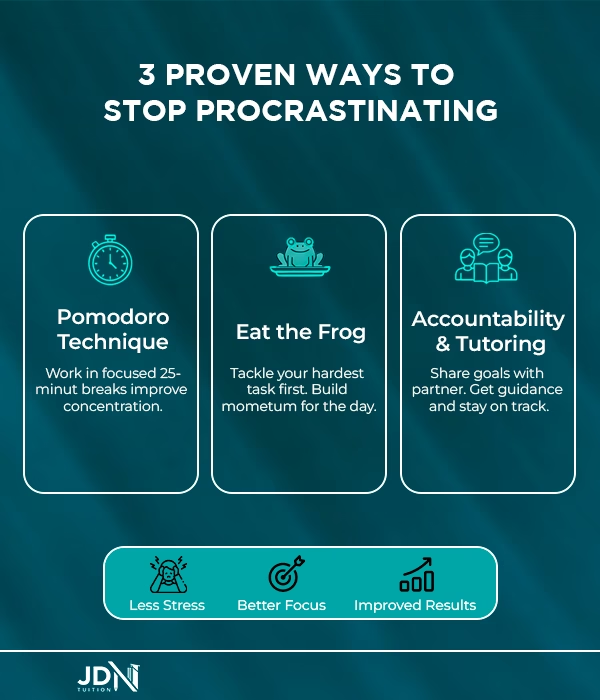
Learning how to stop procrastinating can be difficult, especially when self-regulation is the only tool at your disposal. Below are three practical strategies to overcome procrastination, break the procrastination cycle, and finally start working toward completing your assignments.
1. The Pomodoro Technique
The Pomodoro technique helps you beat procrastination by breaking work into short, intense sprints scheduled with breaks. For many students, this approach makes starting a task feel much less scary. It also helps reduce the “I’ll do it later” mindset and the traps of perfectionism. This is achieved by turning an open-ended task into short, focused 25-minute missions that can be clearly scheduled on your timetable for study, helping them stay organized, maintain concentration, and make consistent progress each day.
For high school students, the Pomodoro method creates immediate urgency. The timer forces them to start and reduces overthinking. Short breaks help prevent burnout and protect mental health. Completing each Pomodoro creates small wins. These wins boost motivation as students see progress over time.
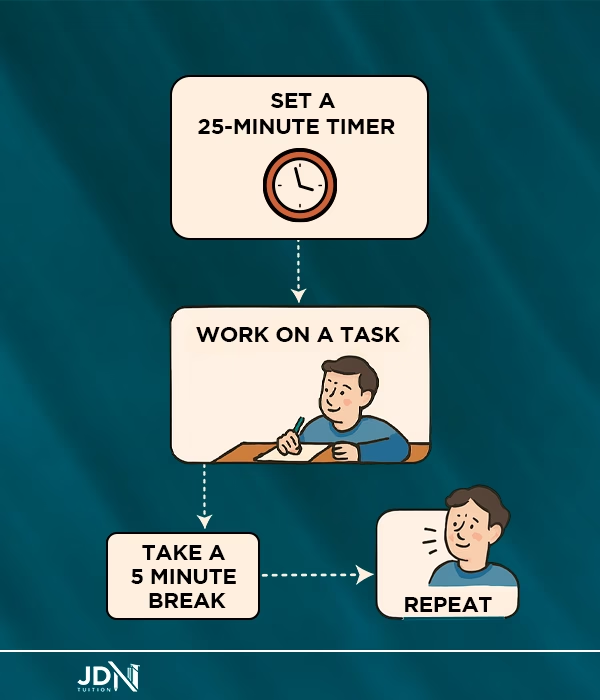
How to do the Pomodoro Technique:
- Pick one task (e.g., Write the introduction of an English Essay).
- Set a timer for 25 minutes and work only on that task.
- When the timer rings, take a 5-minute study break (stand, stretch, drink water).
- Repeat for as long as you desire.
Of course, the Pomodoro method won’t work for everyone and may need some slight tweaks to work best for you. This can be done by adjusting the time control. Whether that be 15/5 for shorter sprints or 50/10 if you’re practising past papers is completely up to you.
2. Growth Mindset
A growth mindset is the idea that abilities improve with effort and strategy instead of being fixed. Students who adopt this mindset are less likely to stall. They see mistakes as part of learning, not proof they are “not good enough.” When perfectionism and fear cause procrastination, changing your inner story helps. Replacing unrealistic standards with “I can improve with practice” reduces the emotional fuel behind procrastination.
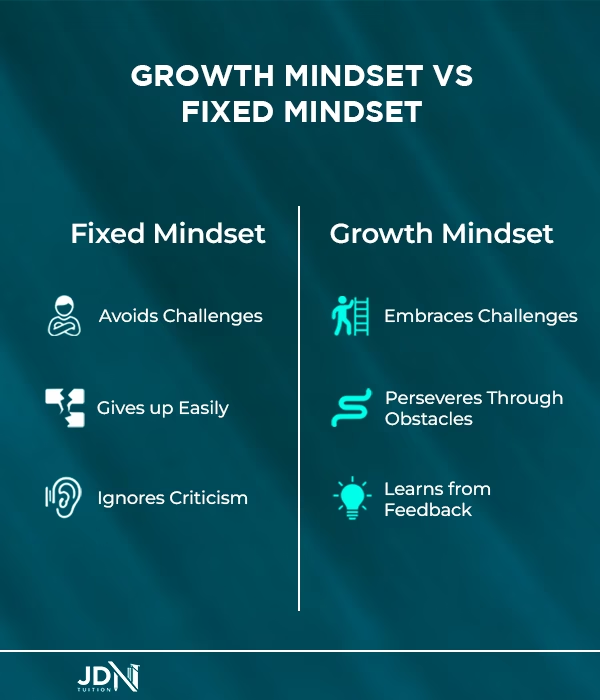
Unlike the Pomodoro method, implementing a growth mindset isn’t something that can be applied instantly; instead, it can take potentially months to start creating organisational skills and to work consistently towards improving oneself. During this time, students can benefit from setting small, achievable goals. They can also reflect on their progress regularly, which helps reinforce positive habits, strengthens self-discipline, and keeps motivation high throughout the learning process.
3. Eating the Frog
The term ‘eat the frog,’ popularised by Brian Tracy, is a simple trick where you identify the most important or hardest task (your “frog”) and tackle it as soon as possible, without delay or distraction. Completing this big, unpleasant job first removes the largest source of stress and makes everything else feel lighter. It effectively kills the “I’ll put it off” habit of procrastination while giving students a strong sense of accomplishment and helping them build momentum for the rest of their day. This approach is highly practical, providing students with strategies to learn how to prioritise tasks effectively and manage their workload more efficiently.
For students, it might not always be one frog. Assignments can be too large for a singular study session, or goals can be too vague. In these cases, breaking down the frogs into more manageable doses can do the job. Instead of completing a year’s worth of maths revision for the HSC, break it down into one understandable section a day. Probability, then graphing, then integrals until you’ve covered everything.
Sometimes, however, the frog can be too big, and procrastination gets the better of us. That’s okay—sometimes students need someone else to keep them accountable. With JDN Tuition’s high school tutoring, we help your child learn how to stop procrastinating and overcome procrastination habits. They also tackle their hardest assignments, achieving real results that propel them beyond their peers.
How Private Tutoring Stops Procrastination
One-on-one tutoring is one of the most effective ways to address procrastination at its root. A good tutor does three things at once. They structure work so it feels manageable. They push students past perfectionism that prevents them from starting. Most importantly, they provide accountability, so “I’ll do it later” is no longer an option. This kind of private tutoring teaches lifelong skills. It also improves academic outcomes and lays the groundwork for a student’s future.
This is where JDN Tuition comes in, providing subject specialists who use proven anti-procrastination techniques as the backbone of lesson plans: not just explaining content but also helping students work on their own. With local high school tutors in Melbourne, Sydney, and online tutoring across Australia, we help your child achieve their maximum potential. Book now with JDN Tuition and begin your path to success.
Don’t let your child waste hours of study time on endless procrastination. At JDN Tuition, our tutors teach students to break the habit of procrastination and study effectively, so they enter exams with confidence. Imagine your child finishing assignments on time, feeling proud of their progress, and enjoying learning again. Check out our reviews to see why Australia’s parents choose JDN Tuition. To help your child excel, contact us today and make the most of their academic journey.
Improve Results. START TODAY.
📞 Book a FREE Call: (02) 7257 0299
📧 Email us: [email protected]
What Causes Procrastination?
Procrastination usually comes from emotional avoidance, such as fear of failure, perfectionism, anxiety, or being overwhelmed. Practical issues like unclear tasks, poor time planning, or constant distractions can make procrastination even worse.
How Long Does it Take to Stop Procrastinating?
It depends. Using techniques such as the Pomodoro method or learning how to “eat the frog”, you can see improvements within a few weeks. Replacing long-standing habits like a fixed mindset, however, often takes several months.
Is Procrastination Laziness?
No. Laziness suggests not caring; procrastination is usually avoidance driven by emotion (anxiety, fear of failure, perfectionism) or poor planning. It’s often fixable with strategies, structure, and support rather than simply trying harder.
Who Can I Talk to About My Procrastination?
Talk to your classroom teacher, school counsellor, or tutor about your procrastination. Often, these individuals are equipped to deal with these problems, providing resources and support for those who need assistance.