




A Parent’s Guide to the Best Reading Apps for Kids in 2026
Benefits of Eustress | 80/20 Rule | Online Tutor
Reading apps for kids have transformed the way children learn, making it easier to keep them engaged both in the classroom and at home. Parents often struggle to keep their children focused on homework and other study-related activities. Thankfully, 2026 has brought a golden era of reading apps for children that combine fun, interactive games, cutting-edge artificial intelligence, and reading strategies that truly work.
However, with thousands of apps out there and recent research showing that many reading apps fail expert literacy standards, it’s necessary to make a wise choice.
So grab a comfy seat, because we are going to present you with an ultimate guide to the 10 best reading apps for kids in 2026, explained in a heartfelt way that even kids might sneak a peek at.
Best Reading Apps for Kids
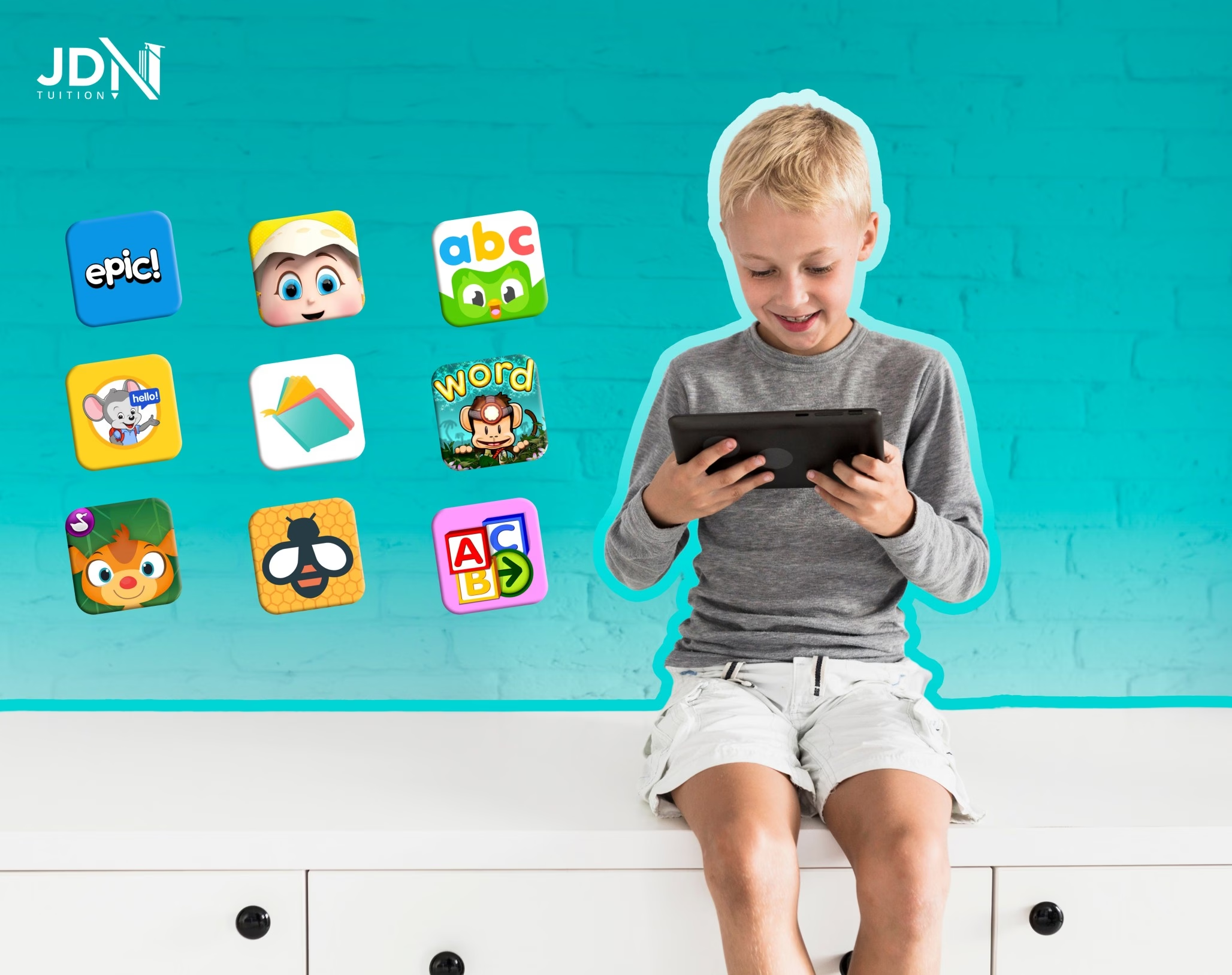
1. Duolingo ABC
Duolingo offers free language courses for over thirty languages through fun and gamified lessons. With Duolingo, you can practice speaking, listening, writing, and reading. According to research, Interactive games on computers and language provide learners with creative avenues for learning, thereby generating opportunities for learners to enhance their skills and knowledge (Senel & Akman, 2016).
Duolingo, but built from the ground up for early readers, that’s Duolingo ABC. This wonderful learning app for kids is constantly being praised for learning phonics and combining short stories with structured lessons that help build early literacy step-by-step.
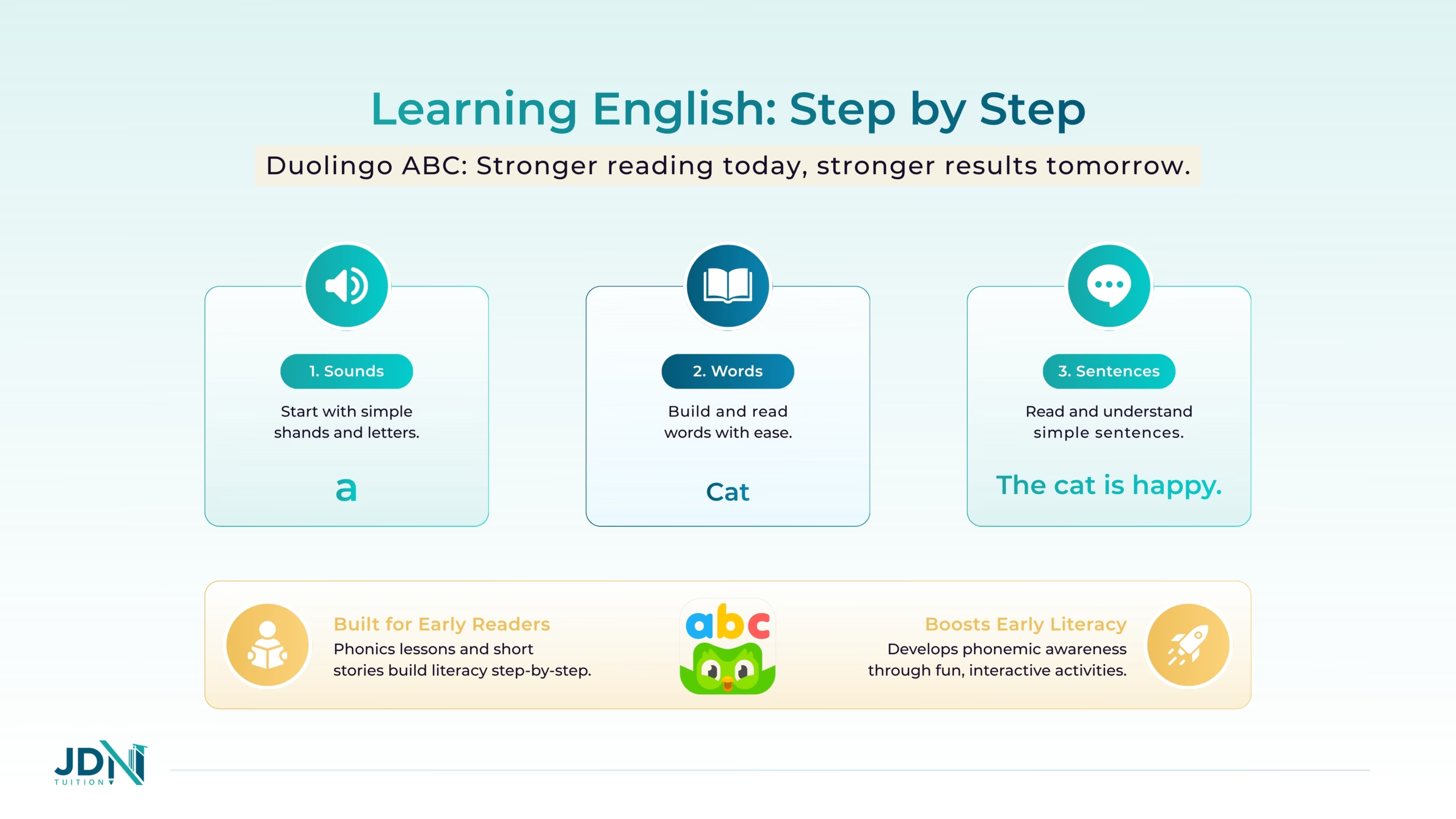
Why is Duolingo ABC an amazing app for kids? It is perfect for beginners because lessons start with sounds and gradually progress to complete words. Better yet, the app is free, making it even more appealing. There are no ads—just a distraction-free learning experience. Duolingo helps develop phonemic awareness in kids– the ability to hear and manipulate sounds.
Kids just don’t tap letters; they demystify the magic of storytelling through chunk-sized interactive experiences. Indeed, Duolingo has proven to be a fun and interactive app where kids can practice audio, word identification, and short, easy exercises. Teachers and parents both love Duolingo so much that it can tie into classroom standards like HSC English strategies for comprehension and writing too.
2. Epic!
Imagine having 40,000 books right in your pocket, from picture books to graphic novels, videos to audiobooks. That’s Epic!, one of the greatest digital libraries included in 2026’s top picks for kids. It is an absolutely amazing library that any child can have access to at any time, anywhere. This app includes a diverse variety of books, from audiobooks and e-books to read-along books. It is one of the most influential apps for kids to explore their reading interests and develop a love for reading.
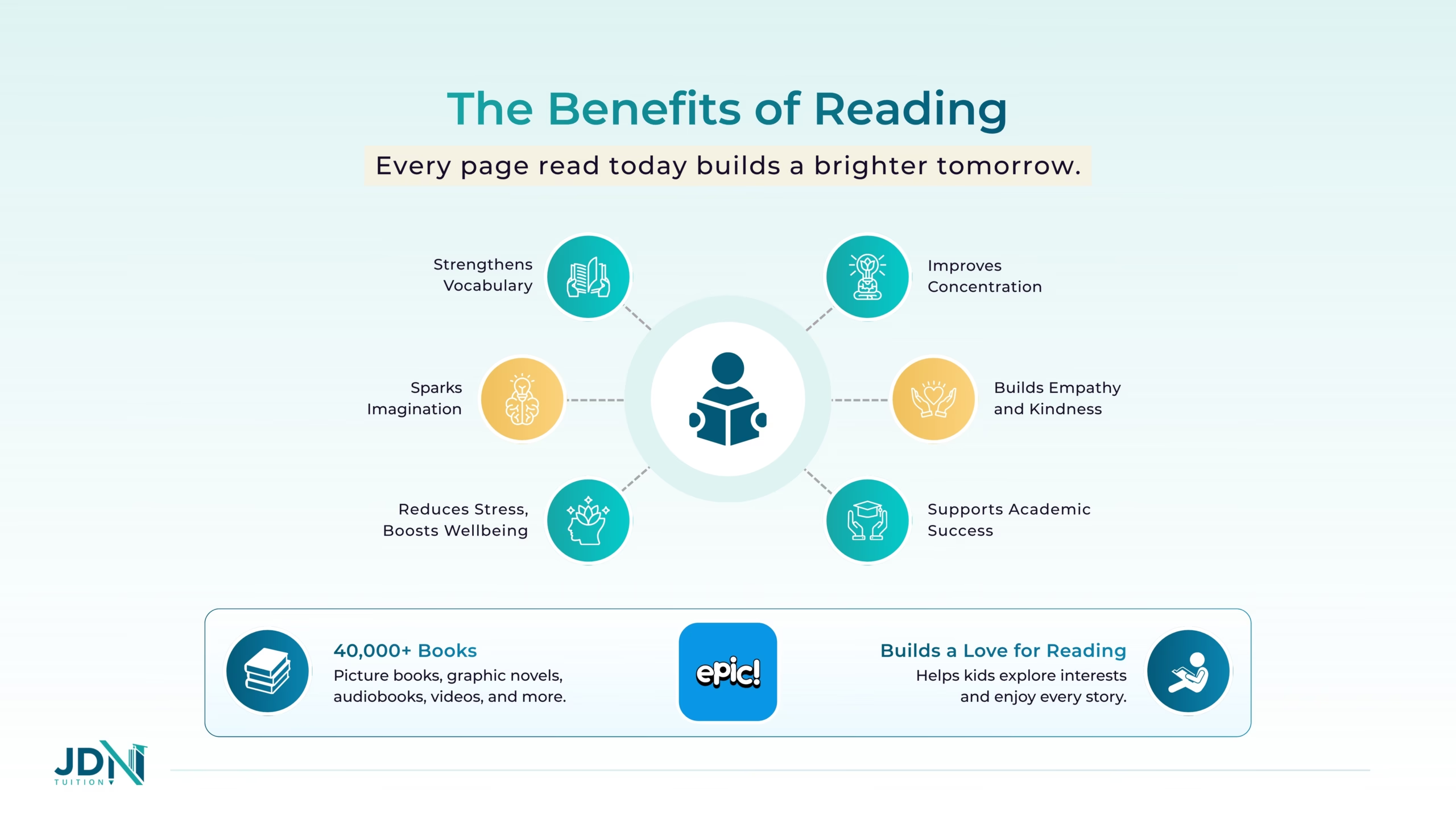
What makes it stand out? This app contains stories for all reading levels. It provides audio highlights and text, which makes it great for reading comprehension strategies. It can also tailor personalised recommendations, which just feels like having a personal librarian for your kid. Whether your child is just starting to combine and blend sounds or craving visual aids with adventure tales, Epic! has got you sorted. It is appropriate for KG as well as for kids aged 6 to 12 years.
3. Starfall ABCs
Old school charm meets new-age smart screens with Starfall–an app based on time-tested phonics principles that has helped millions of kids make the jump from letters to sentences. Starfall features an animated introduction to learning words and letters in the English Language Arts. Kids love to explore and learn the alphabet, for it also features a wide variety of games and songs. It also helps keep young learners engaged. It has free access options, which makes it great for families on a budget. This app works excellently for early letter recognition and phonics. This is exactly why it helps build foundational reading skills.
Starfall ABCs embraces child development principles, encouraging children to explore language at their own pace rather than racing through levels.
4. ABCmouse
When your kid loves sequence and system, ABCmouse delivers it. This amazing reading app can be a crowd favourite. It is downloadable on any iPad, iPhone, or most Android phones. It is more than just a reading app; it’s a full early learning experience for kids. However, its reading curriculum really stands out with structured phonics, reading comprehension worksheets, and personalised lessons that help build strong foundations for your kids.
What sets ABCmouse apart? With a huge range of learning activities and video lessons that teach math, science, art, reading, and so much more, it brings everyday things and basic concepts to life, which will keep kids engaged and their curiosity alive while learning and having fun. It possesses a parent dashboard that helps track progress like a mini teacher. It provides children with a step-by-step learning path that helps them build academic skills systematically. This app works great for early learning education for children aged 2-8 years. This structured approach is especially helpful for kids who thrive on routine and clear goals.
According to research, students who read the electronic storybooks are able to be more focused on understanding content, with the use of features that make reading a lot easier than if they have to recognise and interpret every word in the process (Pearman, 2008).
5. Reading Eggs
Think of Reading Eggs as the trustworthy companion every young reader deserves. This app is appropriate to use for kids aged 3 to 13. Reading Eggs does not just teach children to understand and decode words; it turns literacy into a whole adventure.
Now, what makes Reading Eggs stand out? This app provides children with adaptive lessons, meaning that the app adjusts difficulty based on your child’s progress. It contains interactive reading games and visual aids that help keep kids motivated and excited for learning. Moreover, this app covers core skills such as phonics, sight words, reading comprehension strategies, and many more.
According to parents, their kids literally run to finish a level– not because it’s a chore, but because it feels like a game. That’s the secret sauce of great learning: joy and fun wrapped in evidence-based education.
6. Readability Tutor
Here’s where tech gets personal. Readability is one of the most effective reading apps for kids, where they can get personalised reading assistance that helps build confidence, fluency, and comprehension. Readability focuses on individualised feedback that helps children improve reading accuracy and fluency in a one-on-one tutoring vibe with the help of an AI tutor.
What are the key features of Readability Tutor? It provides progress tracking where parents can monitor words learned by their kids and comprehension levels. This app has come up with an innovative approach of interactive reading sessions, where both kids and caregivers can read together. Furthermore, this app helps your kids to learn at their own unique pace to make learning efficient. With every story, this app provides kids with the vocabulary they need to grow. This app especially shines for kids who need a little extra support– or just love seeing how far they’ve come.
7. Monkey Word School Adventure
Here’s a gem many parents don’t know about yet. However, Monkey Word School Adventure has earned amazing reviews from families and teachers alike for making early reading actively fun for kids. It is one of those reading apps for kids that turn lessons into an exploration full of puzzles, movement, and rewards. This app is a perfect learning hub for young explorers and restless learners.
Why is it a standout addition to your 2026 round-trip? Kids can practice rhyming words, letter tracing, and word recognition through interactive puzzles that are more like games than lessons. Every challenge that your kid fulfills earns delightful surprises, like decorating your own terrarium. Therefore, kids stay motivated and engaged with reading and learning vocabulary. It also helps provide multi-skilled support for children. Activities are built to encourage phonemic awareness, memory skills, and confidence– all parts of healthy child development.
Hence, Monkey Word School Adventure proves that understanding how to read doesn’t need to be a drill; it can be an adventure every child wants to return to every day.
8. SplashLearn
9. Duck Duck Moose
Think of it as a phonics adventure. Kids explore a bustling zoo, meet quirky animals, and discover the secrets of letter sounds and words along the way. That’s exactly what Duck Duck Moose offers. It remains one of the best reading apps for kids in 2026.
Its seamless way of combining engagement and learning makes it even more special.
It provides story-based learning where kids don’t just drill sounds; they explore them through playful storylines that make this app interesting for kids.
The app gently steps up in complexity as a child’s skills grow, which makes it perfect for preschoolers. At Duck Duck Moose, there are some other fun and engaging apps that encourage imagination, creativity, and learning in children.
10. Beelinguapp
Finally, a literacy app that grows with your kid’s global curiosity. Beelinguapp presents stories side-by-side in two different languages, while providing audio narration that helps kids strengthen their reading skills while exploring language diversity.
This app is one of the best reading apps for kids from bilingual families or those who are language explorers naturally. Additionally, it is just like an audiobook where kids listen and follow along, which in turn strengthens their comprehension strategies.
Concludingly, we can say that this app pushes reading beyond basics into the world of culture, storytelling, and deeper thinking.
How Can Parents Choose the Right Educational App for Their Kid?
With countless apps available online, choosing the most effective one for your kid can get overwhelming. Here are some important factors to consider;
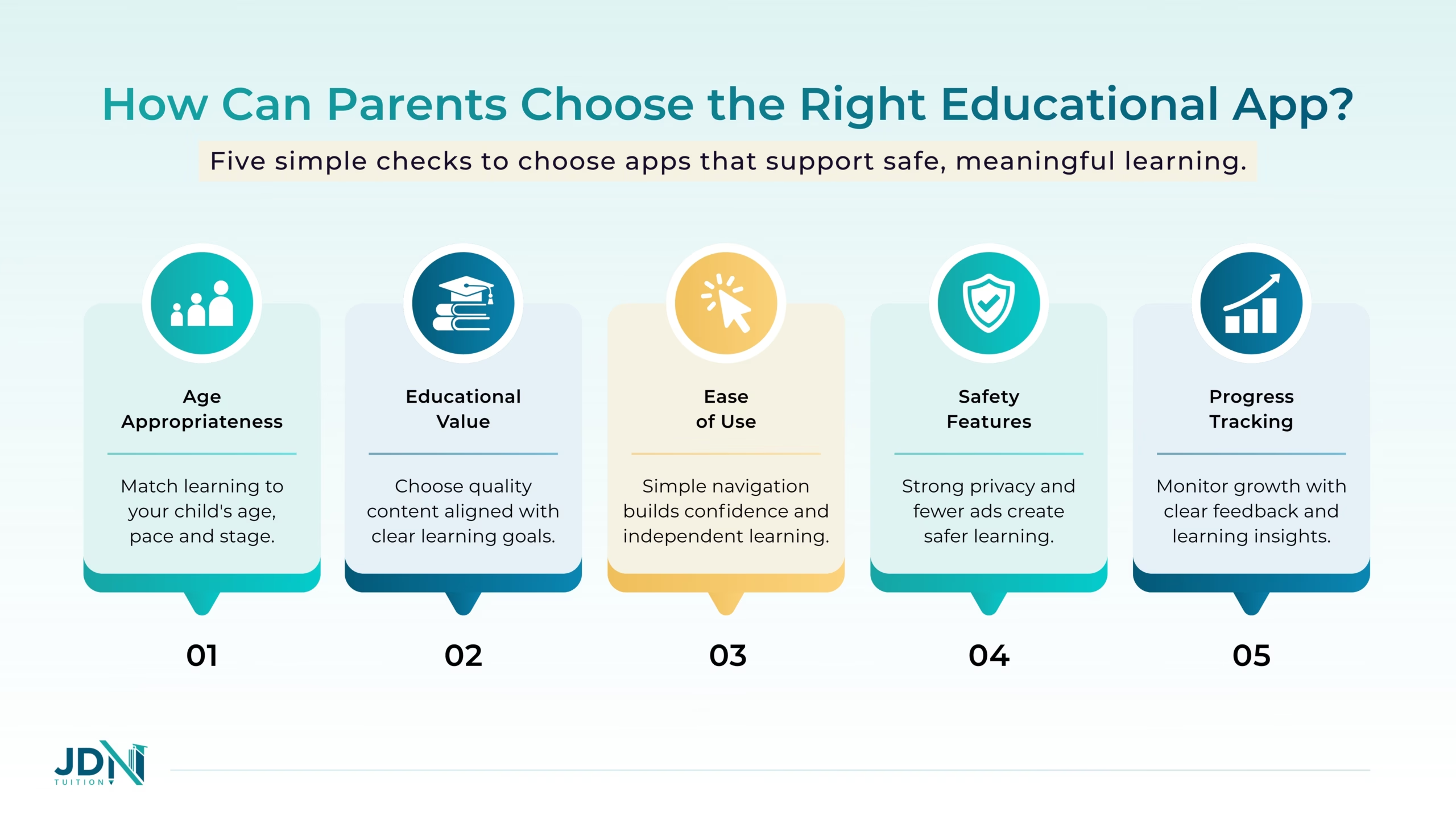
- Age Appropriateness: Make sure the app’s content is tailored to your child’s unique pace and developmental stage.
- Educational Value: Select the apps that align with specific educational standards and provide substantive content:
- Ease of Use: Look for apps with intuitive interfaces that children can figure out on their own, promoting a smooth learning experience.
- Safety Features: Search for apps with strong privacy policies and minimal ads to protect your child’s personal information and limit distractions.
- Progress Tracking: Choose apps that provide feedback, so that you can evaluate your child’s progress and adapt learning goals if needed.
Keeping in view these factors will help parents select apps that foster learning in a fun yet meaningful way.
Final Thoughts: Best Reading Apps for Your Child
In 2026, the best reading apps for kids are not distractions; they are impactful tools to provide a smooth and fun learning experience. These apps are tools that harness the power of artificial intelligence, interactive voice recognition, and social and emotional learning to make reading joyful and effective.
Whether your child is learning their first letters or exploring graphic novels on Epic!, these 10 apps make reading a fun and exciting adventure. Integrating technology, combined with a few parenting strategies, can go a long way in advancing your kids’ reading capabilities.
Ready to Make Learning Something Your Child Looks Forward to?
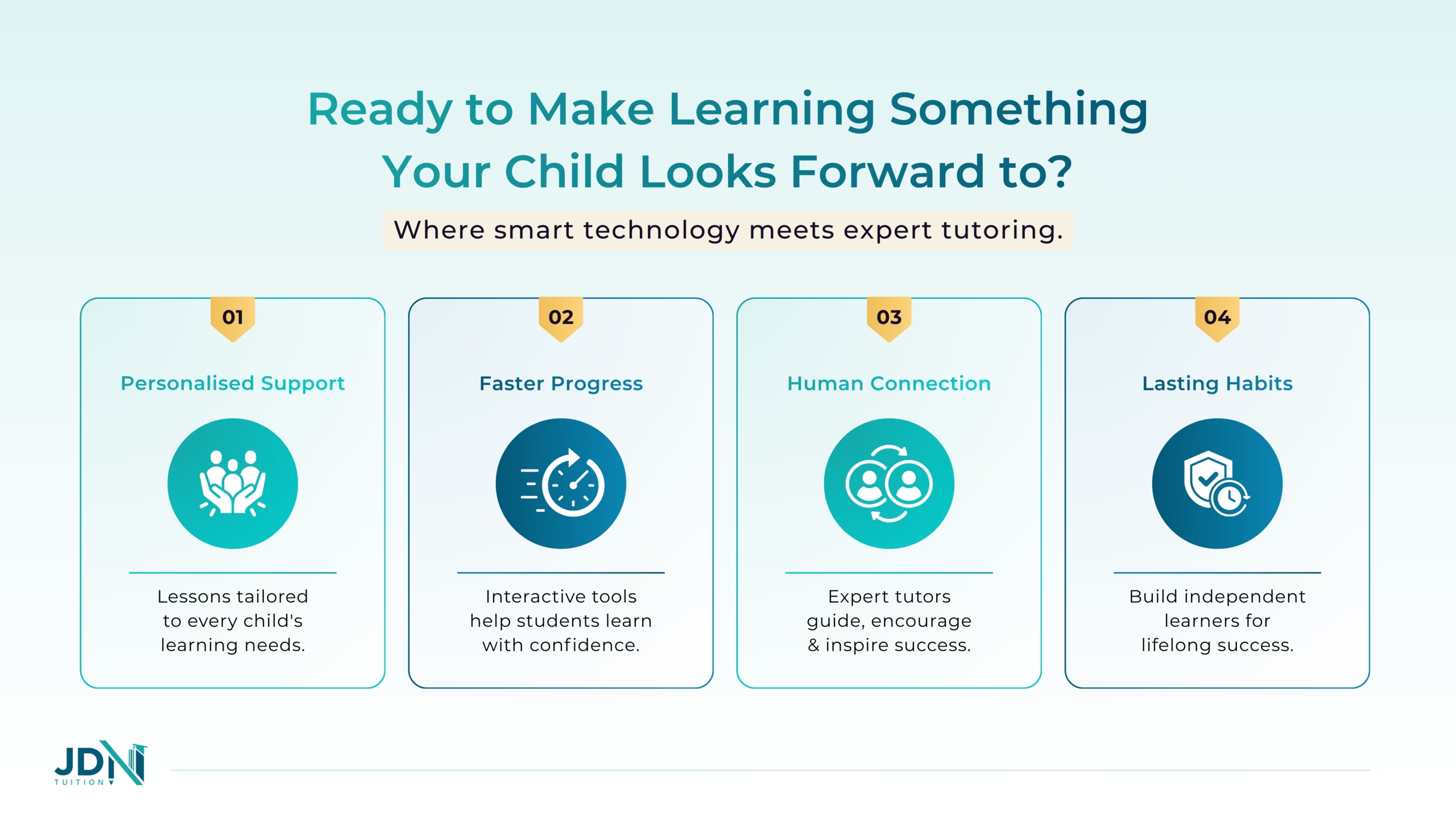
At JDN Tuition, we believe great teaching needs more than worksheets and whiteboards. That’s why we have woven smart technology into every part of our learning system. Our students use interactive tools, digital reading platforms, fun quizzes, visual aids, and supervised practice apps. These resources turn lessons into engaging experiences instead of chores.
However, we don’t replace teachers with screens. Our expert tutors combine technology with personal guidance and encouragement. Every child feels supported, seen, and heard. This balance helps children learn faster, enjoy the process, and develop independent learning habits that last far beyond the classroom.
Have a look at authentic reviews from students on our website and contact us today. You can also visit our blog page to have detailed insights into various interesting topics, like eustress, AI in education, and the VCE exam timetable. Stay connected with JDN Tuition—follow us on Facebook, Instagram, Google Business Profile, and LinkedIn for tips, updates, and student success stories.
Boost Confidence. Improve Results. Start Today.
 Book a FREE Call: +61 2 7202 1930
Email us: contact@jdntuition.com.au
How to help a 10-year-old read better with reading apps for kids?
Read together every day for 10 minutes and talk about the story in simple words so they understand, not just pronounce. Use fun books, word games, and praise their effort to build confidence and steady improvement. You can also help them by providing multiple reading sources, like apps, magazines, etc.
What is the 3-3-3 rule for children?
The 3-3-3 rule for children is a simple calming method: name 3 things you see, 3 things you hear, and move 3 parts of your body. It helps kids feel calm and focused when they’re upset, anxious, or overwhelmed.
What does ADHD look like in a 3-year-old?
A 3-year-old with ADHD may be extremely active all the time, struggle to sit still even for short moments, and act without thinking. They may also have trouble listening to simple instructions and moving quickly from one activity to another. They also tend to avoid activities that require paying attention for more than one or two minutes.